
Moving heavy machinery is never a simple task. Whether you’re relocating an entire manufacturing line, installing new production equipment, or transferring oversized assets to a new facility, the risks are high. One mistake can lead to costly downtime, damaged equipment, or serious safety hazards.
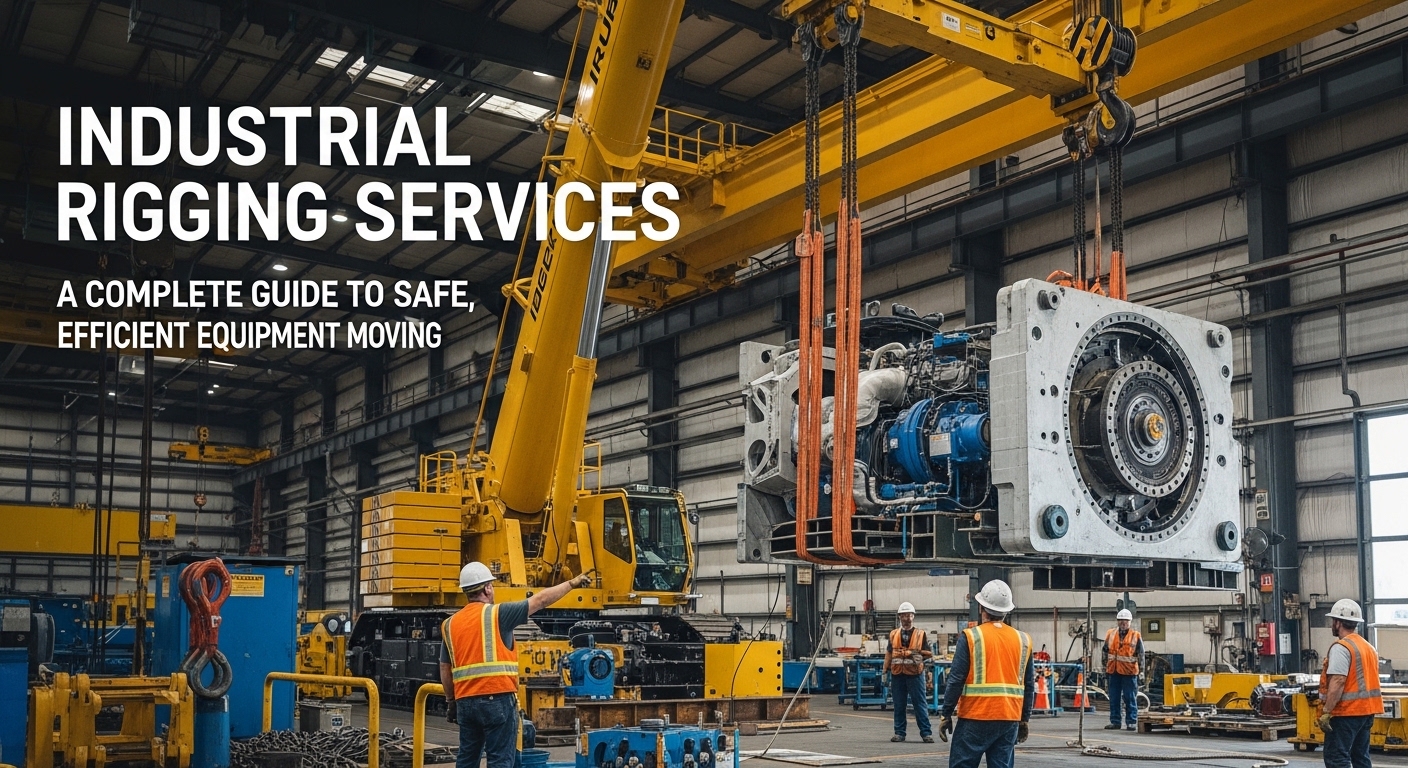
That’s where industrial rigging services come in. These specialized services focus on the safe lifting, moving, positioning, and installation of heavy equipment in industrial environments. In this guide, you’ll learn what industrial rigging involves, why it’s essential, how to choose the right provider, and what to expect during a project.
If you’re planning a plant relocation, machinery installation, or heavy equipment transport, this article will help you make informed, confident decisions.
What Are Industrial Rigging Services?
Industrial rigging services refer to the professional handling, lifting, positioning, and relocation of heavy machinery and industrial equipment. Unlike basic moving services, rigging requires technical expertise, engineering calculations, and specialized equipment.
These services typically include:
-
Heavy equipment moving
-
Machinery installation services
-
Plant relocation services
-
Crane and rigging solutions
-
Equipment dismantling and reassembly
-
Industrial equipment transport
-
Precision equipment placement
Rigging professionals work in industries such as manufacturing, construction, oil and gas, power generation, warehousing, and logistics.
Why Professional Industrial Rigging Matters
Moving industrial machinery is not a DIY job. The stakes are too high.
1. Safety and Risk Management
Heavy loads require precise load calculations, secure rigging hardware, and trained operators. Professional rigging teams follow strict safety standards, including:
-
Load weight verification
-
Center-of-gravity analysis
-
Equipment inspection
-
Compliance with occupational safety regulations
This significantly reduces the risk of accidents, injuries, and equipment damage.
2. Minimizing Downtime
In industrial operations, downtime equals lost revenue. Experienced machinery movers understand how to:
-
Coordinate with facility managers
-
Work within tight schedules
-
Complete dismantling and reinstallation efficiently
Fast and organized execution helps businesses resume operations quickly.
3. Equipment Protection
Industrial machines are expensive. Proper rigging ensures:
-
No structural damage
-
No misalignment of components
-
Safe transportation and placement
Precision matters, especially for CNC machines, turbines, compressors, and automated production lines.
Types of Industrial Rigging Services
Not all projects are the same. Here are the most common service categories.
Heavy Equipment Moving
This involves transporting large machinery within a facility or to another location. It may require forklifts, hydraulic gantries, cranes, skates, and specialized trailers.
Machinery Installation Services
Installing industrial machinery requires:
-
Leveling and alignment
-
Anchoring
-
Utility connections coordination
-
Structural positioning
Precision alignment ensures optimal machine performance.
Plant Relocation Services
Relocating an entire facility is complex and requires:
-
Inventory assessment
-
Disassembly planning
-
Equipment labeling
-
Transportation logistics
-
Reassembly and testing
A structured relocation plan helps avoid operational disruptions.
Crane and Rigging Solutions
Some projects require heavy lifting at heights or in tight spaces. Mobile cranes, tower cranes, and custom rigging systems may be used to handle oversized loads safely.
Industries That Rely on Industrial Rigging
Industrial rigging companies serve a wide range of sectors:
-
Manufacturing plants
-
Warehousing and distribution centers
-
Power plants
-
Construction sites
-
Data centers
-
Mining operations
-
Food processing facilities
Each industry has unique requirements, making experience and technical knowledge critical.
Key Equipment Used in Industrial Rigging
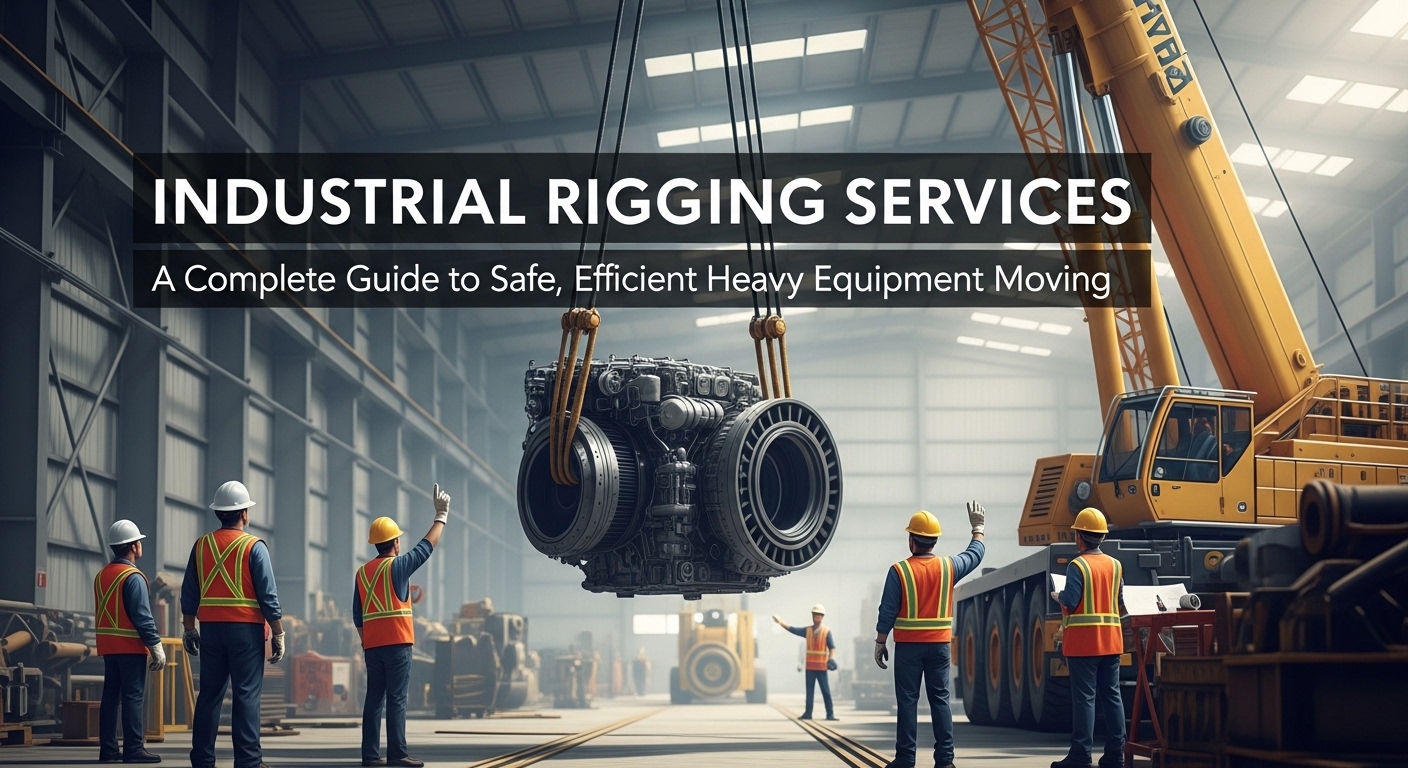
Professional riggers use specialized tools and machinery designed for safety and precision.
Common Equipment Includes:
-
Hydraulic gantry systems
-
Heavy-duty forklifts
-
Industrial dollies and machinery skates
-
Mobile cranes
-
Chain hoists and slings
-
Spreaders and lifting beams
Using the right equipment ensures controlled lifting and positioning, especially for oversized industrial loads.
How to Choose the Right Industrial Rigging Company
Selecting the right partner can determine the success of your project. Here’s what to look for.
1. Experience and Track Record
Choose a provider with documented experience in:
-
Heavy equipment relocation
-
Machinery installation
-
Industrial plant moving
Ask for case studies or references.
2. Certifications and Insurance
Verify that the company:
-
Has certified operators
-
Follows safety compliance standards
-
Carries adequate liability insurance
This protects your business from financial risk.
3. Engineering Capabilities
Complex projects often require lift planning and structural analysis. Companies offering in-house engineering support provide added reliability.
4. Transparent Pricing
Request detailed quotes covering:
-
Equipment usage
-
Labor
-
Transportation
-
Permits (if required)
Avoid companies that offer vague or unusually low estimates.
The Industrial Rigging Process: Step-by-Step
Understanding the process helps set realistic expectations.
Step 1: Site Assessment
The team evaluates:
-
Equipment size and weight
-
Access points
-
Floor load capacity
-
Overhead clearance
Step 2: Lift Planning and Engineering
Engineers calculate:
-
Load distribution
-
Required rigging hardware
-
Crane capacity
-
Safety margins
Step 3: Equipment Preparation
Machines are:
-
Disconnected
-
Drained (if necessary)
-
Secured for lifting
Step 4: Lifting and Moving
Using cranes or gantries, the equipment is carefully lifted and transported.
Step 5: Installation and Alignment
At the new location, machinery is:
-
Positioned
-
Leveled
-
Anchored
-
Tested
This structured approach ensures safe execution and minimal disruption.
High-Value Applications of Industrial Rigging
Industrial rigging services are often associated with high-value projects such as:
-
Data center equipment relocation
-
Power generation turbine installation
-
Industrial automation system upgrades
-
Large-scale manufacturing line setup
Because these projects involve significant capital investment, professional rigging is essential.
Compliance and Safety Standards
Safety is not optional in industrial rigging.
Reputable companies follow:
-
National safety regulations
-
Industry lifting standards
-
Regular equipment inspection protocols
-
Employee safety training programs
Compliance reduces liability and ensures long-term operational reliability.
For additional safety guidelines and lifting standards, refer to reputable industry resources such as the Occupational Safety and Health Administration (OSHA) website:
https://www.osha.gov
For best practices in crane operations and rigging standards, you can also consult industry associations such as the Specialized Carriers & Rigging Association (SC&RA):
https://www.scranet.org
These resources provide valuable insights into safety regulations and professional standards.
Cost Factors in Industrial Rigging Services
The cost of industrial rigging depends on multiple factors:
-
Equipment size and weight
-
Distance of transport
-
Complexity of access
-
Required machinery (cranes, gantries)
-
Labor hours
-
Permit requirements
While pricing varies, choosing the cheapest option is rarely the safest decision. Focus on experience, reliability, and proven safety performance.
Benefits of Hiring Professional Industrial Rigging Services
Here’s a quick summary of the key advantages:
-
Reduced risk of injury
-
Protection of valuable machinery
-
Faster project completion
-
Compliance with safety regulations
-
Lower long-term liability
-
Expert handling of complex logistics
Professional rigging provides peace of mind and operational confidence.
Industrial rigging services play a critical role in modern industry. Whether you’re relocating heavy equipment, installing advanced machinery, or managing a full plant move, professional rigging ensures safety, efficiency, and compliance.
Choosing an experienced and certified rigging partner can protect your investment, reduce downtime, and prevent costly accidents. If you’re planning a heavy equipment move or machinery installation, take the time to consult qualified professionals and request a detailed project assessment.
Have questions about your specific project? Consider reaching out to a certified industrial rigging company or leave a comment below to continue the discussion.
FAQ
1. What is the difference between rigging and heavy equipment moving?
Rigging involves the technical lifting and securing of heavy loads, while heavy equipment moving may include transportation and relocation. Rigging is a specialized part of the moving process.
2. How long does an industrial rigging project take?
The timeline depends on equipment size, complexity, and distance. Small moves may take a day, while full plant relocations can take weeks.
3. Is industrial rigging insured?
Reputable companies carry liability insurance and workers’ compensation coverage. Always verify documentation before hiring.
4. How much do industrial rigging services cost?
Costs vary based on weight, complexity, distance, and required equipment. A detailed site evaluation is typically needed for accurate pricing.
5. Can industrial rigging services handle sensitive equipment?
Yes. Experienced providers use precision tools and alignment techniques to handle delicate or high-value machinery safely.